
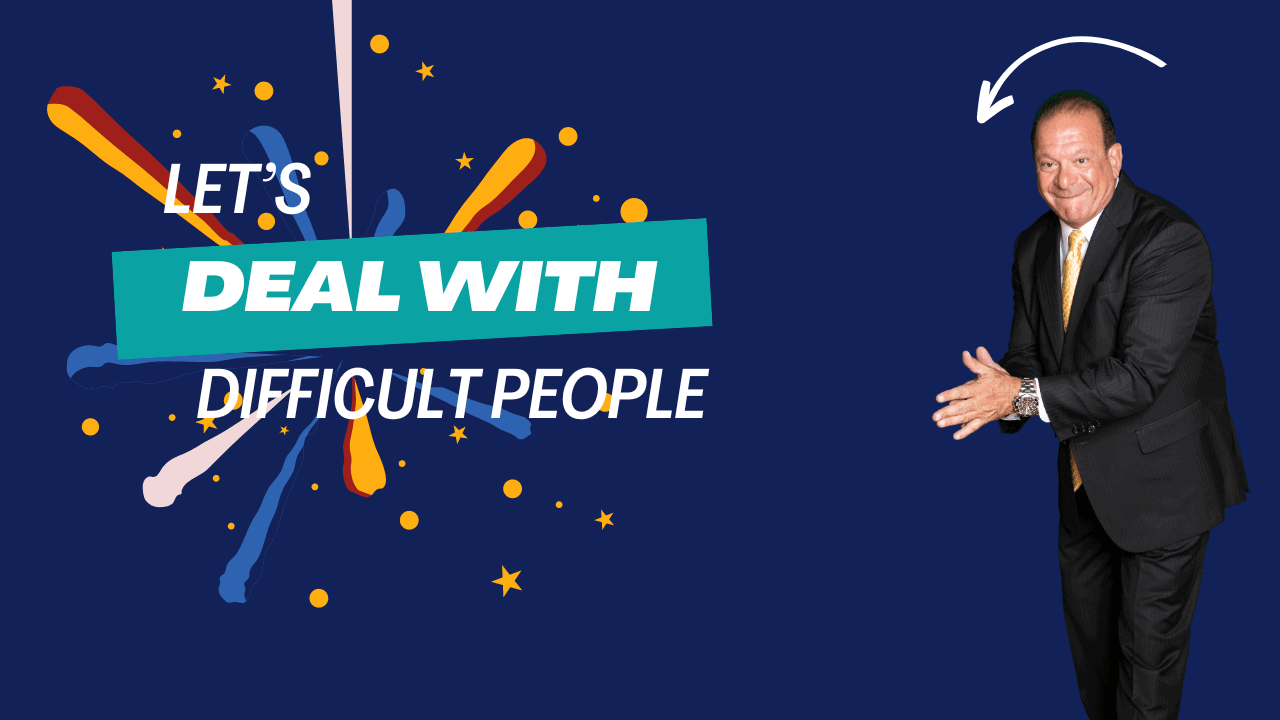
Most managers were never taught how to deal with difficult employees. They were promoted because they were good at their job. Nobody trained them to handle a chronic complainer, a passive resister, or someone who quietly undermines every decision they disagree with. Learning to deal with difficult employees is a skill, and like every other leadership skill, it can be built deliberately.
This guide breaks down how to identify the behavior pattern you are actually facing and what to say in the conversation itself. It also covers how to know when a direct conversation is enough versus when it is time to escalate.
Why Difficult Employees Are So Hard to Manage
Difficult behavior is rarely random. It usually shows up as a pattern, chronic complaining, passive resistance, open defiance, or quiet undermining, and each pattern requires a different response. Treating all difficult behavior the same way is one of the most common mistakes new and experienced managers make.
The Promotion Gap
Organizations promote people for technical skill and individual performance. They rarely provide any structured training for handling interpersonal conflict. As a result, most managers default to one of two extremes: avoiding the conversation entirely, or having it too late and too emotionally charged to be productive.
"The managers who handle difficult employees well are not the ones with the most patience. They are the ones who name the specific behavior early, before it hardens into a pattern everyone has quietly agreed to work around."
How to Deal with Difficult Employees: The Core Framework
Step 01Identify the Specific Pattern
Before addressing a difficult employee, name the actual behavior pattern rather than the general impression. "Difficult" is not specific enough to act on. Is the employee chronically negative, actively resistant to direction, prone to conflict with coworkers, or quietly disengaged? Each pattern calls for a different conversation.
Step 02Address It Directly and Privately
Public correction rarely changes behavior. It often makes things worse, since it puts the employee in a defensive position in front of an audience. A direct, private conversation focused on specific incidents, not character, is far more likely to produce real change.
Step 03Use Specific Examples, Not Generalizations
"You have a bad attitude" is not actionable. "In yesterday's meeting, you interrupted three people while they were presenting" is. Specific, observable examples give the employee something concrete to respond to and change, rather than something to argue about.
Step 04Set Clear Expectations and Follow Through
Vague expectations produce vague results. State clearly what needs to change, by when, and what happens if it does not. Then follow through consistently, since inconsistent follow-through teaches employees that the stated consequences are not real.
Bring Dr. Rick Goodman to your organization to build the skills for dealing with difficult employees before behavior patterns become culture problems.
Common Difficult Employee Types and How to Handle Each
The Chronic Complainer
Chronic complainers are often frustrated employees who feel unheard rather than simply negative people. Ask direct questions about what specifically is not working and what solution they would propose. This shifts the dynamic from venting to problem-solving, and it quickly reveals whether the complaints are actionable or simply a habit.
The Passive Resister
Passive resistance is the hardest pattern to manage. There is no open confrontation to respond to, just delayed work, minimal effort, or quiet non-compliance. Name the pattern explicitly in a private conversation, since passive resisters often assume no one has noticed.
The Toxic Coworker
Toxic behavior, gossip, undermining, public criticism of colleagues, damages team trust faster than almost any other pattern. This one requires the clearest boundaries and the fastest follow-through. Tolerating it signals to the rest of the team that the standard is negotiable.
When to Escalate Beyond a Direct Conversation
Most difficult behavior responds to a clear, direct conversation paired with consistent follow-through. However, when repeated, specific conversations produce no real change over a defined period, continuing to invest energy in the relationship usually does more harm than good to the rest of the team.
At that point, the more productive move is typically formal performance management, reassignment, or in some cases separation. That beats another informal conversation that just repeats what has already been said.

About Dr. Rick Goodman, CSP
Dr. Rick Goodman is a Certified Speaking Professional and six-time Global Gurus Top 30 Leadership Expert. He is the author of five books, including the Amazon number one bestseller The Solutions Oriented Leader. He has delivered more than 2,000 programs across all 50 states and 32 countries. His work helps managers and organizations build the specific skills to handle difficult behavior before it becomes a culture problem.
His keynote programs, workshops, and corporate training are customized and immediately actionable.
Continue Building Your Leadership Toolkit
- Dealing with Difficult People at Work: Corporate Training Program
- Conflict Management Training for Managers
- Communication Skills Training Program
- Leadership Training Workshop
Build the Skills to Handle Difficult Employees Before They Become a Culture Problem
Dr. Rick Goodman delivers a dedicated corporate training program on dealing with difficult people at work. It gives your managers and teams the frameworks to identify behavior patterns, de-escalate hostile situations, and have the direct conversations that actually change behavior.
Recognized six consecutive years as a Global Gurus Top 30 Leadership Expert. Author of five books. Certified Speaking Professional.