
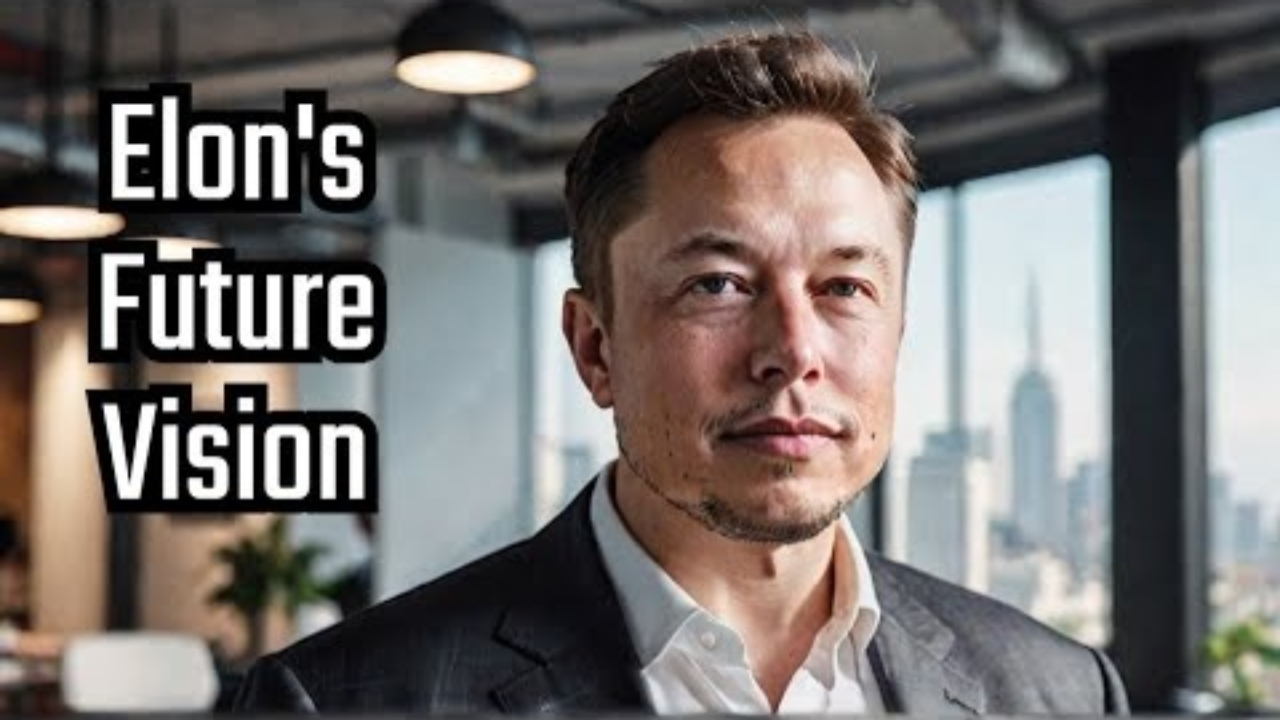
Elon Musk's leadership style combines an enormous vision with relentless, hands on execution. He sets missions that sound impossible, reasons from first principles, and pushes his teams to move faster than almost anyone in business. As a result, his approach has produced historic breakthroughs, and it has also produced burnout, turnover, and public controversy.
Whatever you think of him personally, Musk has built companies that changed the auto industry and the space industry within a single career. Consequently, leaders everywhere ask the same question: what can I actually learn from the way he leads, and what should I avoid?
In this guide, you will learn the six traits that define the Elon Musk leadership style, the downsides that every leader should understand, what his approach signals about the future of work, and how to apply the useful lessons through a solutions oriented lens.
What Is Elon Musk's Leadership Style?
Elon Musk's leadership style is best described as a hybrid. On one hand, it is transformational, because he unites people around a mission larger than any single product. On the other hand, it is pacesetting and often autocratic, because he sets extreme expectations, makes fast centralized decisions, and stays directly involved in technical details.
In other words, Musk leads from the vision down and from the factory floor up at the same time. That combination is rare, and it explains why his companies attract talented people who want to work on hard problems. At the same time, it explains why many of those people eventually leave.
Elon Musk Leadership Style: 6 Traits That Define It
1. First Principles Thinking
Musk has described first principles thinking as breaking a problem down to its basic facts and reasoning up from there, instead of reasoning by comparison to what others already do. For example, rather than accepting the market price of rockets or batteries, he has said he looked at the cost of the raw materials and asked why the finished product cost so much more.
For leaders, the lesson is simple. Most organizations carry assumptions that no one has tested in years. Therefore, asking "what do we know to be true here?" can open options that benchmarking never will.
2. A Mission Bigger Than the Product
Tesla is framed around accelerating sustainable energy, and SpaceX is framed around making life multiplanetary. Whether or not those goals are ever fully reached, they give people a reason to work that goes beyond a paycheck. Similarly, any leader can connect daily tasks to a purpose that matters to the people doing the work.
3. Hands On Technical Involvement
Musk is known for spending time on factory floors and in engineering reviews, debating specifics directly with the people doing the work. Consequently, he hears problems early and makes decisions with real information. However, the same habit can bypass managers, slow decisions that should be delegated, and leave teams waiting on one person.
4. Speed and Rapid Iteration
SpaceX has publicly embraced a build, test, and learn approach in which early test vehicles are expected to fail. Instead of perfecting a design on paper for years, teams learn from each attempt and improve the next one. In fact, this bias for speed is one of the most transferable lessons in his entire approach, because most organizations lose more value to slow decisions than to imperfect ones.
5. Extremely High Standards
Musk sets aggressive targets and expects people to stretch to meet them. Sometimes those targets slip; nevertheless, the stretch often produces far more than a safe goal would have. The risk, of course, is that standards without support turn into pressure without purpose.
6. Willingness to Take Public Risks
Finally, Musk takes risks in public that most executives would never take, from bold product timelines to large acquisitions. That visibility creates attention and urgency. Yet it also means every misstep happens in front of customers, employees, and investors.
Want leaders who bring vision and urgency without burning out their teams? Bring Dr. Rick in for a keynote or leadership workshop.
Check AvailabilityThe Downside: What Leaders Should Not Copy
The Elon Musk leadership style is not a template to copy whole. In particular, four patterns create real costs:
- Burnout. Long hours and constant urgency can deliver short term wins while draining the people who produce them.
- Turnover. When pressure is high and recognition is low, talented people eventually leave and take their knowledge with them.
- Centralized decisions. When everything runs through one leader, the organization moves at the speed of that person's calendar.
- Public conflict. Criticism delivered in public erodes trust far faster than it builds accountability.
Therefore, the smart move is to borrow the ambition, clarity, and speed while deliberately building in the trust, recognition, and sustainability that keep high performers engaged for years instead of months.
Elon Musk and the Future of Work
Musk's companies sit at the center of the biggest forces reshaping work: automation, artificial intelligence, and the redesign of how teams operate. As a result, his choices are a preview of the questions every leader will face. How much work should machines do? Which decisions still need human judgment? Moreover, how do you keep people engaged when the pace of change never slows?
His own answers lean toward speed, intensity, and in person work. However, the broader lesson for most organizations is about adaptability. Leaders who can help their people learn new skills, adjust to new tools, and stay focused on the mission will outperform leaders who simply demand more hours. For a deeper look, see how AI is creating jobs and what that means for your leaders.
How to Apply These Lessons as a Solutions Oriented Leader
In my keynotes and coaching work, I encourage leaders to take what works from high profile leaders and leave the rest. Here is how to put the best of Musk's approach to work without the costs:
- Question one assumption. First, pick a process or cost everyone accepts and break it down to first principles.
- Name the mission. Next, connect your team's daily work to a purpose they can repeat in one sentence.
- Shorten the test cycle. Then, replace long planning phases with small experiments you can learn from in weeks, not quarters.
- Set high standards and explain them. Afterward, make sure people understand why a target matters and what support they will get to reach it.
- Protect your people. Finally, watch for burnout signals and recognize effort, because sustainable performance always outlasts short bursts of pressure.
The best leaders borrow ambition from the visionaries and patience from the coaches. Vision without trust burns people out, and trust without vision lets them drift.
Ultimately, the goal is not to become Elon Musk. Instead, it is to lead with enough vision to inspire your people and enough care to keep them. That balance is exactly what solutions oriented leaders bring to their teams.

About Dr. Rick Goodman
Dr. Rick Goodman, CSP, is a six time Global Gurus Top 30 Leadership Expert, keynote speaker, executive coach, and author of five books including the Amazon bestseller The Solutions Oriented Leader. He has delivered more than 2,000 programs across all 50 states and 32 countries, helping organizations lead, engage, and grow.
Meet Dr. RickContinue Reading
- AI Is Creating Jobs. Are Your Leaders Ready?
- AI Change Management: Why Your Rollout Has a Trust Problem
- 7 Different Leadership Styles for Your Workplace Culture
- Leadership Adaptability: Why It Matters and 5 Signs Your Team Is Falling Behind
- Master the Art of the Pivot: 7 Strategies for Leading Through Change
- The New Leadership Paradigm: From Vision to Execution
- Effective Leadership Qualities: 10 Qualities of Great Leaders
- ChatGPT for Leaders: How to Use It to Grow Your Business
Lead With Vision Without Burning Out Your Team
Bring Dr. Rick Goodman to your organization for a customized keynote, leadership workshop, or executive coaching program.
Check Availability